What Are Dental Crowns and When Do You Need One?
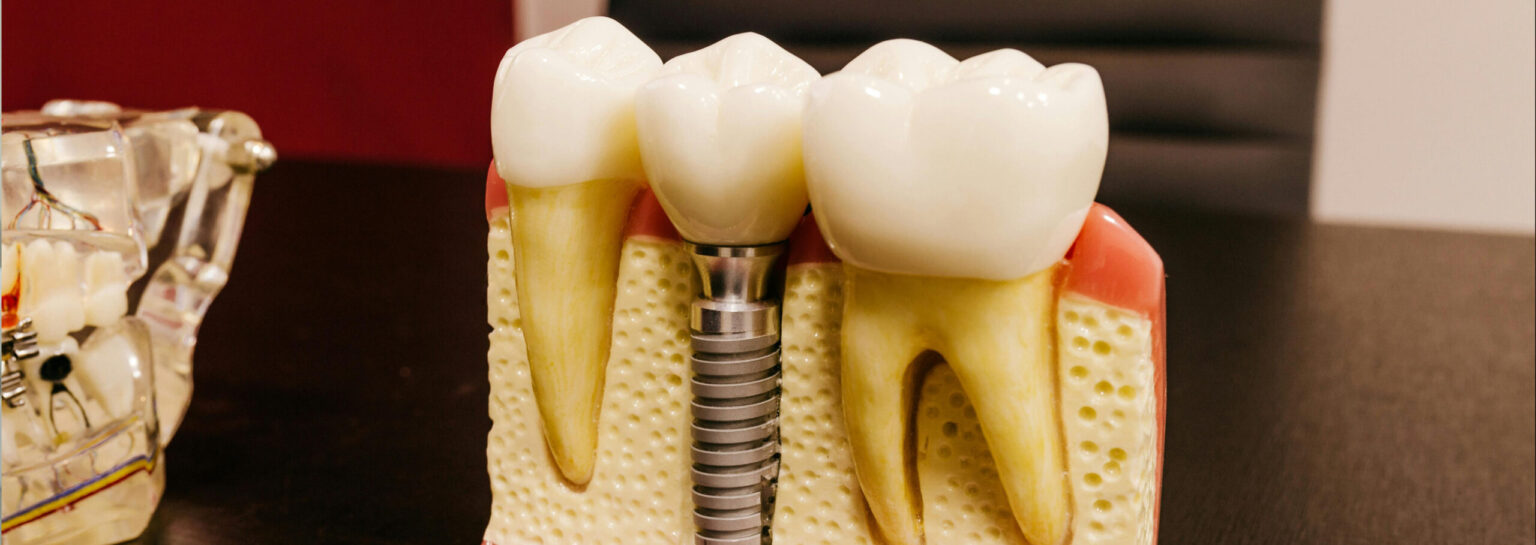
A dental crown is a custom-made cap that covers a damaged or weakened tooth, restoring its shape, strength, and function. Patients often picture a crown as a cosmetic upgrade, something done to improve a smile, but in practice crowns are most often about protection. When a tooth has lost too much structure to handle normal biting forces on its own, a filling may no longer be enough. That is where Dental Crowns become part of the conversation.
The easiest way to think about a crown is to compare it to a hard helmet for a tooth. It does not replace the root, and it does not necessarily mean the tooth is “dead” or beyond saving. In many cases, a crown is the reason the tooth can stay in service for years instead of cracking further or needing extraction.
That said, not every damaged tooth needs a crown. Some teeth do better with a filling, an inlay, an onlay, or simple monitoring. The right choice depends on how much tooth is left, where the tooth sits in the mouth, how hard you bite, whether you grind your teeth, and whether the nerve is healthy. The decision is less about one dramatic x-ray and more about a pattern of judgment built from exam findings, symptoms, and how the tooth has been behaving over time.
What a crown actually does
A healthy tooth is remarkably strong, but it relies on intact enamel and a stable underlying structure. Once a cavity gets large, an old filling breaks down, or a crack starts to spread, the tooth becomes less predictable. It may still look serviceable in the mirror, yet under chewing pressure it flexes in ways it was never meant to.
A crown surrounds the visible part of the tooth above the gumline. After the dentist reshapes the tooth so the crown can fit properly, a laboratory or in-office system fabricates a restoration that matches the tooth’s dimensions and bite. Once cemented, the crown helps redistribute chewing forces and reduces the risk of further fracture.
This does not make the tooth indestructible. Crowns can chip. Cement can fail. The tooth under the crown can still decay if hygiene slips. But when recommended for the right reasons, a crown gives a compromised tooth a much better chance of surviving daily use.
The situations where crowns are commonly needed
Dentists recommend crowns for several recurring scenarios. The theme is usually the same: there is not enough reliable tooth left to trust a simpler repair.
A very common reason is a large cavity. If decay has taken away a substantial portion of the tooth, a filling may leave the remaining walls too thin. This becomes especially important on molars, which absorb heavy chewing pressure. A back tooth with a filling that covers most of its biting surface can function for a while, but if the cusps are unsupported, the risk of a sudden crack rises.
Another common reason is a tooth that has had root canal treatment. Contrary to what many patients assume, the root canal itself does not automatically mean a crown is required. The bigger issue is that teeth needing root canal treatment are often already heavily filled, cracked, or structurally compromised. Back teeth after root canal treatment are particularly vulnerable because they no longer have the same internal moisture balance and are usually carrying a history of damage. In practice, dentists frequently recommend a crown to help prevent splitting.
Crowns are also used when a tooth fractures. Sometimes a patient bites on a popcorn kernel, ice, or a cherry pit and a corner breaks off. Sometimes the break is not dramatic, just a thin crack line with sharp pain on release when chewing. If the crack is limited and enough tooth remains, a bonded restoration may work. If the crack has weakened the tooth more extensively, a crown can brace it. Timing matters here. Waiting too long on a cracked tooth can turn a manageable problem into one that extends below the gumline.
There are cosmetic uses as well. A crown can improve the appearance of a tooth that is badly discolored, misshapen, or worn down. That said, conservative options such as bonding or veneers may be preferable if the tooth is otherwise healthy. Crowns remove more tooth structure than veneers, so they should not be treated as the default answer for every aesthetic concern.
Dentists also use crowns to support bridges, cover dental implants, and restore teeth with severe wear from grinding or acid erosion. In those cases, the crown becomes part of a broader functional plan, not a stand-alone procedure.
When a filling is not enough anymore
This is one of the hardest distinctions for patients to judge on their own, because a tooth can feel mostly fine and still be structurally compromised. The size of the cavity matters, but so does its location. A filling that replaces a small area in the center of a tooth is very different from one that extends into multiple corners and leaves thin walls behind.
There is no single percentage that fits every case, but many dentists start thinking seriously about cuspal coverage, often through an onlay or crown, when a tooth has lost a large portion of its biting surface or when one or more cusps are undermined. Material also matters. Composite fillings are useful and conservative, but they cannot perform miracles when very little natural structure remains.
One pattern seen often in practice is the “tooth that keeps losing fillings.” A patient says, “This tooth has been filled three times and a piece keeps breaking off.” That history tells you something important. The problem may no longer be the filling material. It may be that the tooth itself is flexing and fracturing under load. In those cases, replacing the filling again without changing the overall strategy can become an expensive cycle.
Signs you may need a crown
Some teeth that need crowns are discovered on routine exams before they become painful. Others announce themselves more clearly. Common warning signs include:
- Pain when biting or releasing pressure
- A tooth with a very large or repeatedly failing filling
- A visible crack, broken cusp, or missing piece of tooth
- Persistent sensitivity after a large restoration
- A tooth that has had root canal treatment, especially a molar or premolar
None of these signs guarantees that a crown is the answer, but they justify a closer look. Sometimes the best time to crown a tooth is before it breaks badly enough to limit your options.
The different materials, and how dentists choose among them
Not all crowns are the same. The material should match the job the tooth has to do, the amount of space available, the patient’s habits, and the cosmetic demands of the case.
- All-ceramic or porcelain crowns are popular for front teeth because they can look highly natural.
- Zirconia crowns are valued for strength and are often used on back teeth, though modern versions can also be quite aesthetic.
- Porcelain-fused-to-metal crowns combine a metal base with a tooth-colored outer layer and have a long track record.
- Full metal crowns, usually gold alloy or similar materials, remain excellent in some back-tooth situations because they are durable and kind to opposing teeth.
- Resin-based temporary crowns are used between visits and are not meant as long-term restorations.
Patients often ask which material is “best.” The honest answer is that the best material depends on the case. A patient who clenches hard at night may do better with a different crown design than someone with a light bite. A front tooth that shows fully in a high smile calls for different priorities than a second molar no one sees. There is always a balance among appearance, strength, thickness, wear on opposing teeth, cost, and how much natural tooth must be removed.
What the process feels like from the patient side
Getting a crown is usually straightforward, but it helps to know the steps ahead of time. At the preparation visit, the dentist numbs the area, removes any decay or failing restorative material, and reshapes the tooth so the crown can fit over it with enough space for the chosen material. If the tooth is badly broken down, a buildup may be placed first to recreate a stable foundation.
Then comes the impression stage. Some offices use a conventional impression material, while others scan the tooth digitally. Shade selection matters more for visible teeth, where matching neighboring teeth is part science and part art. A temporary crown is often placed while the final crown is being made.
Temporary crowns are useful but not glamorous. They can feel a little different, and they are not as strong or as precise as the final version. Sticky foods are best avoided during this phase. If a temporary crown comes off, it should not be ignored. The Dental Crowns underlying tooth may become sensitive, and nearby teeth can drift slightly if enough time passes.
At the delivery visit, the dentist tries in the final crown, checks the fit at the margins, tests the bite, and confirms the appearance. Small adjustments are common. Once everything looks right, the crown is cemented. The tooth may feel unfamiliar for a few days, especially if it had pain before treatment or if the bite has been adjusted, but most patients settle in quickly.
Same-day crowns can reduce the process to one appointment in selected cases. They are convenient, but convenience should not be the only factor. Some teeth benefit from laboratory fabrication, especially when the esthetic demands are high or the case is more complex.
How long Dental Crowns last
Patients understandably want a number. Most crowns last many years, and a rough range of 10 to 15 years is often quoted, but that range can be shorter or much longer depending on the circumstances. I have seen crowns fail early because of untreated grinding, recurrent decay, or poor fit from the start. I have also seen well-made crowns function for two decades or more in patients with excellent home care and regular maintenance.
Longevity depends on several practical factors: the health of the gums, the amount of remaining tooth under the crown, the quality of the bite, whether the patient clenches, and whether the crown margin is kept clean. Cemented restorations live at the mercy of biology and force. Even a beautifully made crown cannot survive neglect or relentless overload forever.
One issue patients do not always expect is that the crown itself cannot decay, but the tooth underneath certainly can. Decay often starts at the margin where crown meets tooth, especially if plaque sits there day after day. That is why flossing around crowned teeth matters just as much as flossing around natural teeth.
When a crown may not be the right answer
Good dentistry is as much about restraint as intervention. There are cases where a crown would be excessive. A small to moderate cavity in a strong tooth may do perfectly well with a bonded filling. A damaged cusp may be better treated with an onlay, which can preserve more natural tooth. Cosmetic concerns on front teeth may respond better to whitening, bonding, or veneers if the underlying structure is healthy.
There are also situations where a crown would not solve the real problem. If a crack extends too far below the gumline or down into the root, a crown cannot reverse that. If the tooth has advanced periodontal disease and poor bone support, placing a crown on top may not be a wise investment. If pain is coming from the nerve, bite trauma, or a different tooth entirely, simply covering the tooth does not address the diagnosis.
This is where second opinions can be useful, especially when a proposed crown follows vague symptoms and unclear imaging. A crown is an excellent treatment when the indication is solid. It is less satisfying when used as a guess.
Crowns after root canal treatment, a point that causes confusion
Patients often hear, “You had a root canal, so now you need a crown,” and assume that is an absolute rule. It is not. Some front teeth with root canal treatment can function well for years without crowns if enough natural structure remains and bite forces are modest. Back teeth are different. Premolars and molars take heavy lateral and vertical load. If they are hollowed out by decay, old restorations, or the access opening for the root canal, they become much more likely to fracture.
The key question is not whether the pulp was removed. The key question is whether the remaining tooth can survive normal use without full coverage. In many molars, the safest answer is no. That is why dentists recommend crowns so often after root canal treatment in the posterior part of the mouth.
The cost question, and why estimates vary so much
Crown fees vary by region, material, complexity, the need for supporting work, and whether a specialist is involved. A straightforward crown on a healthy tooth is different from a crown that requires a core buildup, gum recontouring, root canal treatment, or replacement of an old post. Insurance may cover part of the cost, but coverage rules differ and annual maximums can be limiting.
Patients sometimes compare a crown fee to the cost of “just a filling” and feel the crown must be overpriced. The better comparison is between a crown and the cost of repeated repairs on a failing tooth, or worse, extraction and replacement if the tooth splits. A well-timed crown can be preventive in the most practical sense. It is meant to stop the downward spiral before the options become more invasive and more expensive.
Caring for a crowned tooth
A crown does not require exotic maintenance, but it does require consistency. Brush thoroughly along the gumline. Floss carefully, especially where the crown meets the tooth. If you grind your teeth, wear the night guard you were prescribed. Avoid using your teeth as tools to open packaging or crack hard objects. If the bite starts to feel high or the Dental Crowns tooth becomes tender when chewing, have it checked sooner rather than later.
Small changes matter. A crown that feels slightly off can create sore jaw muscles, sensitivity, or heavy loading on one point. Most bite adjustments are simple when addressed early.
Questions worth asking before you agree to treatment
Patients do best when they understand why a crown is being recommended. A useful conversation with your dentist might cover what is wrong with the tooth now, whether a filling or onlay is still realistic, what happens if you wait, which material is being proposed and why, and whether there are signs of grinding that could shorten the life of the restoration.
That discussion often reveals the logic behind the treatment. For example, a dentist might explain that the x-ray shows decay under a large old filling, the cheek-side cusp is undermined, and the tooth already has a crack line that hurts on biting. In that case, the crown is not a luxury item. It is the treatment intended to keep the tooth restorable.
The bigger picture
Dental Crowns sit in an interesting place in dentistry. They are common enough to seem routine, yet the decision to place one should never be casual. A crown asks for a real commitment. Tooth structure is reduced, cost is significant, and the outcome depends on careful planning. When the indication is right, however, crowns are one of the most reliable ways to preserve teeth that would otherwise remain fragile, uncomfortable, or at risk of breaking beyond repair.
If your dentist has recommended a crown, the right next step is not to focus only on the word itself. Ask what problem the crown is meant to solve. Is the tooth cracked, heavily filled, root canal treated, or too weak for a filling to last? Is the goal to protect, rebuild, improve appearance, or all three? Once those answers are clear, the recommendation usually makes much more sense.
For many patients, the best crown is the one placed before the tooth forces an emergency. A planned restoration on a tooth that can still be saved is almost always better than trying to rescue a tooth after a major fracture on a weekend, when pain, limited choices, and urgency enter the picture. That practical truth is why crowns remain such an important part of modern restorative dentistry.
Omni Dental Specialty
1690 E Gonzales Rd, Oxnard, CA 93036, United States
+1 805-410-9603
FAQ About Dental Crowns
How long do crowns last on teeth?
A dental crown often lasts about five to fifteen years, although some last longer. Material, the underlying tooth, oral hygiene and grinding habits affect longevity. Regular dental examinations help identify wear, decay or a loose crown; no lifespan is guaranteed.
How much does a tooth crown cost?
There is no single price for every crown. Material, laboratory work, the condition of the tooth and any additional treatment affect the fee. Ask for a written estimate and confirm your insurance benefits, exclusions and out-of-pocket costs before treatment.
What is the downside of crowns on teeth?
A conventional crown usually requires irreversible removal of some tooth structure. Possible problems include sensitivity, chipping, loosening and decay at the crown margin; some teeth later need root canal treatment. Discuss your tooth's condition, material choices and suitable alternatives with your dentist.