Dental Crowns Oxnard CA: The Key to a Stronger Smile

A healthy smile is not just cosmetic. It affects how you chew, how clearly you speak, how comfortable your bite feels at the end of a long day, and how confidently you show your teeth in conversation or photos. When a tooth has been weakened by decay, fracture, large fillings, or root canal treatment, a dental crown often becomes the most reliable way to restore both function and appearance. For patients searching for Dental Crowns Oxnard CA, the real question is usually not whether crowns exist, but when they are necessary, what the process feels like, and how to know if the investment is worth it.
In everyday practice, crowns tend to solve problems that are too advanced for a simple filling but not so severe that the tooth must be removed. That middle ground matters. Many people wait until a tooth hurts badly, chips visibly, or fails during a meal. By then, the repair can be more involved. A well-timed crown can often preserve a tooth for many years and spare a patient from more extensive treatment later.
What a dental crown actually does
A crown is a custom-made covering that fits over the visible part of a tooth. Think of it as a protective outer shell designed to restore the tooth’s shape, strength, and function. Unlike a filling, which repairs a portion of the tooth, a crown wraps around the prepared tooth and redistributes biting forces more evenly.
That matters most for back teeth, where chewing pressure is high. Molars can experience significant load every day, especially in patients who clench or grind. If a tooth has a deep crack or very little healthy structure left, placing another large filling may not hold up for long. A crown gives that tooth a better chance to stay intact under normal use.
Crowns also play an important cosmetic role. Front teeth with discoloration, uneven shape, or old restorations can sometimes be improved with crowns when more conservative options are not enough. Done well, a crown should not look bulky or artificial. It should blend with nearby teeth in color, translucency, and contour. The best results are rarely the brightest white. They are the ones that look believable.
When a crown is the right call
There is a practical judgment involved in recommending a crown. Dentists do not place them simply because a tooth has a cavity. The decision usually comes down to how much natural tooth remains and whether that tooth can continue to handle chewing forces safely.
A crown is commonly recommended when a tooth has a large existing filling that has started to leak or break down. Over time, the remaining walls of the tooth can become thin and fragile. A patient may not notice anything at first, then one day a corner of the tooth snaps off while eating toast or a roasted nut. That kind of break is common because the tooth has often been compromised for years before the visible fracture happens.
Crowns are also common after root canal treatment. Once the nerve is removed, the tooth is no longer nourished in the same way and may become more brittle over time. Not every root canal tooth needs a crown immediately, but many back teeth do, especially if a large amount of structure was already lost.
Cracked teeth fall into another important category. Sometimes the only symptom is pain when biting down or releasing pressure. Patients often describe it as a sharp, hard-to-pinpoint jolt. If the crack has not extended too far below the gumline, a crown can hold the tooth together and reduce stress on the weakened structure.
Common signs a tooth may need a crown
- A large filling keeps breaking or the tooth around it is chipping
- Pain occurs when biting, especially with hard or crunchy foods
- A tooth has had root canal treatment and feels structurally weak
- Visible cracks, worn edges, or severe flattening from grinding are present
- A broken tooth still has enough healthy root and surrounding support to be saved
These signs do not guarantee that a crown is the right answer, but they often prompt a closer evaluation.
Why strength matters more than people expect
Patients often focus first on appearance. They want to know if the crown will match, if anyone will notice, or if it will feel strange. Those are fair concerns. Yet the bigger issue in many cases is force management.
A tooth is not just a white surface. It is a load-bearing structure. Once enough enamel and dentin are gone, the remaining tooth can flex under pressure. That flexing is subtle but destructive. Tiny movements at the edges of an old filling can allow bacteria and saliva to seep in, starting a cycle of recurrent decay or fracture. Crowns reduce that flexing by surrounding and supporting the compromised tooth.
This is especially relevant for people who clench during sleep. Many do not realize they do it until a partner hears grinding or a dentist points out wear facets, enamel cracks, or sore jaw muscles. In those patients, a heavily restored tooth is under even greater strain. A crown can help, although sometimes a night guard is part of the long-term plan as well.
Materials and how they differ in real life
Patients looking into Dental Crowns Oxnard CA often encounter a confusing list of materials. Porcelain, ceramic, zirconia, porcelain-fused-to-metal, gold alloy. Each has strengths, weaknesses, and best-use situations. The right choice depends on the tooth location, bite forces, cosmetic priorities, and budget.
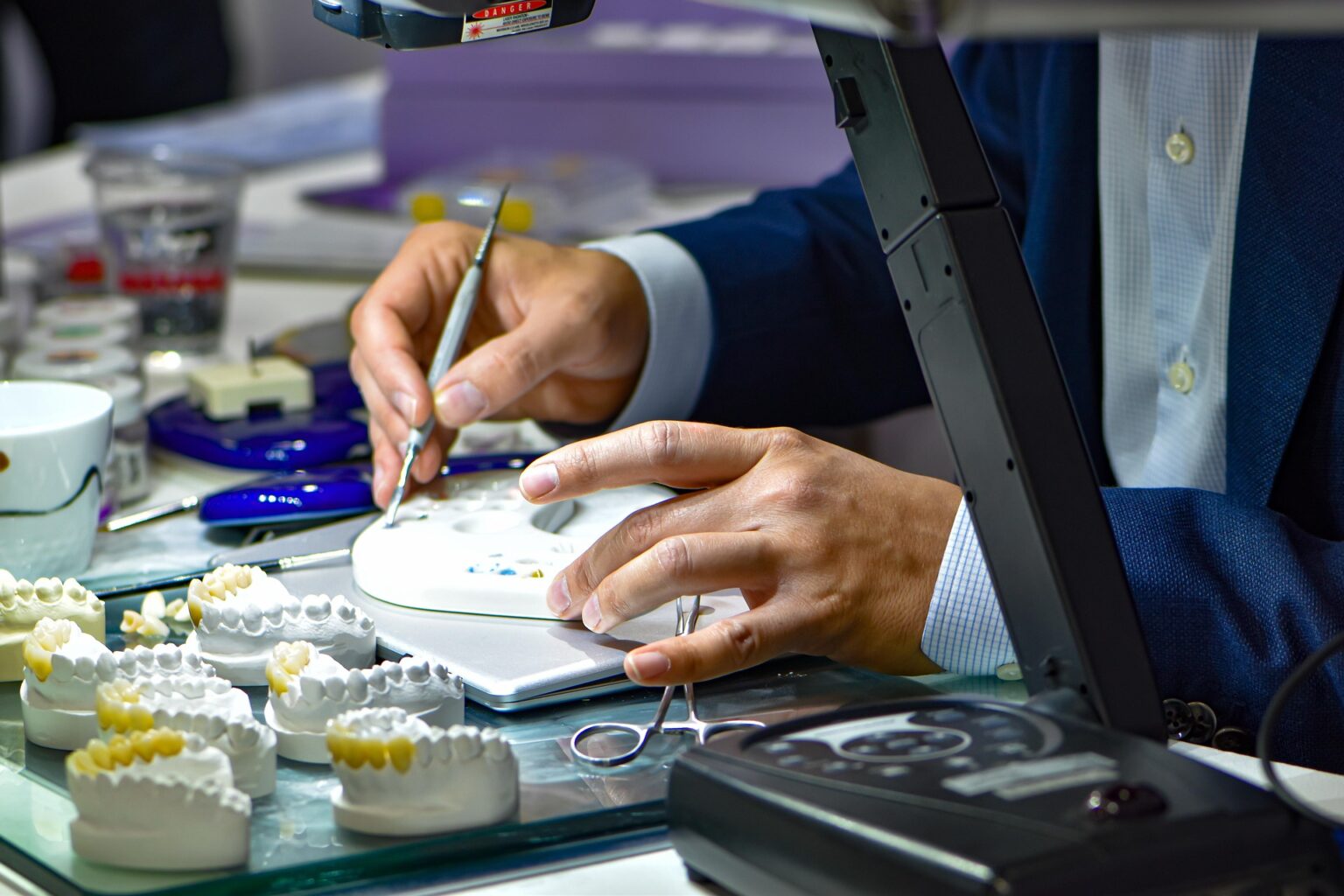
All-ceramic and porcelain crowns are popular for front teeth because they can mimic natural enamel beautifully. Their translucency allows them to reflect light in a way that looks lifelike. For someone restoring a visible upper front tooth, aesthetics usually carry significant weight, and the lab work becomes especially important.
Zirconia crowns have become a strong option for many back teeth because they are durable and often require less worry about chipping than layered porcelain. They can also be used in visible areas, though shade matching and translucency vary by type. For patients with a heavy bite, zirconia is often worth discussing.
Porcelain-fused-to-metal crowns have been used successfully for many years. They combine a metal substructure with a porcelain exterior. They can be quite durable, though in some cases the metal margin may become visible near the gumline over time, especially if gums recede.
Gold or high noble alloy crowns still have a place in dentistry, particularly for molars. They are gentle on opposing teeth, fit well, and can last a long time. Their main drawback is obvious: they look metallic. Some patients do not mind that at all, especially for a far-back molar that no one sees.
A good dentist does not treat crown materials like a one-size-fits-all menu. The best recommendation comes from matching the material to the job the tooth has to do.
The process, from evaluation to final cementation
For many patients, the unknown is more stressful than the procedure itself. The crown process is usually straightforward, though the exact sequence can vary depending on whether the office offers same-day technology or works with a dental lab.
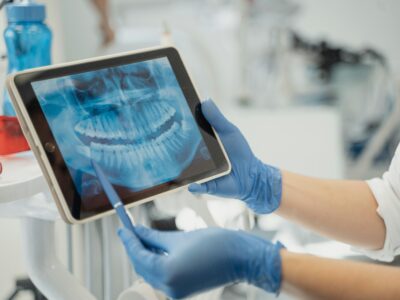
At the first visit, the tooth is examined clinically and often with X-rays. The goal is to determine whether the tooth is healthy enough to restore. If decay extends too deep, if the crack reaches below the gumline, or if the tooth lacks stable foundation, the plan may need to change. A crown works well only when the underlying tooth can support it.
Once the tooth is deemed restorable, the area is numbed and the tooth is shaped so the crown can fit properly. This step removes damaged structure, smooths the contours, and creates room for the crown material. Impressions or digital scans are then taken so the final crown can be fabricated with precision. A temporary crown is commonly placed if the final restoration is being made in a lab.
Temporary crowns matter more than people realize. They protect the prepared tooth, maintain spacing, and give the patient a short preview of shape and bite. They are not as strong as the final crown, so sticky foods, hard candy, and chewing ice are poor choices during that phase.
When the final crown is ready, the dentist checks the fit, contacts with neighboring teeth, color, contour, and bite. Minor adjustments are common. A crown that is even slightly high can make a tooth feel sore or make chewing awkward, so careful refinement is worth the extra few minutes. Once everything checks out, the crown is cemented or bonded in place.
Some offices offer same-day crowns made with in-house scanning and milling systems. These can be convenient, particularly for patients with tight schedules. Still, same-day is not automatically better in every case. Complex cosmetic work, difficult bite relationships, or front teeth that require highly nuanced shade blending may benefit from a skilled laboratory technician.
What it feels like afterward
Most patients do well after crown placement, but mild sensitivity is not unusual, especially with cold temperatures or biting pressure during the first days to weeks. The tooth has been worked on, and the surrounding ligament can be slightly irritated. That usually settles.
The sensation of “something different” is also common at first. Your tongue is remarkably sensitive. Even a beautifully made crown may feel noticeable for a short period simply because it is new. If the bite feels truly off, or if chewing causes sharp pain after the initial adjustment period, that should be checked promptly. Sometimes the crown needs a small bite adjustment. Sometimes the tooth itself needs further evaluation.
A properly fitted crown should not feel loose, trap food excessively, or cause persistent gum irritation. If it does, there is a reason, and it is best to address it early.
How long crowns usually last
There is no honest universal lifespan because too many variables affect longevity. That said, well-made crowns commonly last many years, often a decade or longer, and some last far beyond that. Material choice, bite forces, oral hygiene, cavity risk, and the amount of remaining tooth structure all play a role.
The crown itself is not the only factor. The tooth underneath still matters. Crowns can fail because decay starts at the margin where the crown meets the tooth, because cement washes out, because the tooth cracks further, or because gum and bone support change over time. A crown on a patient who brushes well, attends regular checkups, and does not grind heavily has a different outlook than a crown in a high-risk mouth with dry mouth, acidic diet, and inconsistent care.
One common misconception is that once a tooth has a crown, it no longer needs close attention. In reality, crowned teeth deserve just as much care as uncrowned teeth, sometimes more.
Habits that help crowns last longer
- Brush carefully along the gumline twice daily and floss around the crown every day
- Avoid chewing ice, hard candy, popcorn kernels, and similar tooth-breaking foods
- Wear a night guard if you clench or grind during sleep
- Keep regular dental visits so small margin issues are caught early
- Report persistent sensitivity, looseness, or bite changes before they worsen
Those basic habits can make a meaningful difference over the years.
Cost, value, and the bigger financial picture
Dental crowns are not the least expensive restoration, and patients are right to ask about cost. Pricing varies depending on the material, complexity of the case, whether buildup or core reinforcement is needed, whether insurance contributes, and regional overhead. In a place like Oxnard, fees can differ between practices based on technology, lab quality, and the time devoted to detail.
The more useful question is often about value, not just price. A crown may cost more upfront than a large filling, but if the tooth is already Dental Crowns Oxnard CA fragile, the cheaper option can turn expensive fast when it breaks and needs retreatment. On the other hand, not every tooth with a large filling automatically needs a crown right now. A conservative dentist weighs the actual risk, not just the billing code.
There is also the cost of delay. A small crack can become a split tooth. A failing filling can become decay into the nerve. What was once a crown case can turn into root canal plus crown, or extraction plus implant. Patients rarely regret fixing a salvageable tooth before it becomes an emergency.
Special considerations for front teeth
Crowns on front teeth require a different conversation than crowns on molars. Strength still matters, but appearance, lip support, symmetry, and speech become more prominent. Even tiny differences in shape or length can draw the eye.
For a single front tooth crown, matching the neighboring natural teeth is often the hardest part. Natural teeth are not a flat color. They may have slight translucency at the edge, warmth near the gumline, and subtle texture on the surface. An experienced dentist and Dental Crowns Oxnard CA a capable lab can reproduce much of that character, but it takes planning. Sometimes photographs, custom shade mapping, or even a lab consultation improves the result.
Patients with a deep overbite, nail-biting habit, or history of trauma may need extra caution. A beautiful crown on a front tooth still has to survive real use.
Crowns on implants are a different category
People often use the phrase “crown” loosely, and that can create confusion. A crown can go over a natural tooth, or it can be attached to a dental implant. Those are not the same thing. A crown on a natural tooth relies on the tooth root and surrounding ligament. A crown on an implant attaches to a titanium fixture anchored in bone.
The visible part may look similar, but planning, maintenance, and biomechanics differ. For someone missing a tooth entirely, an implant crown may be an excellent replacement. For someone with a damaged but salvageable natural tooth, preserving that tooth with a crown is often preferred when the prognosis is good.
Finding the right fit in Oxnard
When patients research Dental Crowns Oxnard CA, they often compare offices by location, insurance participation, reviews, and scheduling convenience. Those practical factors matter. Still, quality crown work depends on more than convenience.
Look for a dentist who explains why a crown is recommended, what alternatives exist, and what risks come with waiting. Good crown treatment planning includes evaluating the bite, checking for cracks, considering gum health, and discussing material options in plain language. If every case gets the same material and the same speech, that is not individualized care.
It also helps when the office has a strong system for follow-up. Bite adjustments after delivery are not unusual. Temporary crown issues can happen. Questions about sensitivity may come up. Practices that handle those details smoothly tend to create a better overall experience.
A local patient once described a cracked molar that had bothered her off and on for months. She avoided the appointment because the pain was not constant and work was busy. Then part of the tooth broke during lunch. What might have been a routine crown became a more complex case that nearly required extraction because the fracture extended deeper than expected. That story is ordinary, not dramatic, and that is the point. Teeth often fail quietly before they fail suddenly.
When a crown may not be enough
Not every compromised tooth can be saved with a crown. If decay extends too far below the gumline, if the crack runs vertically into the root, if there is severe bone loss, or if too little tooth remains to support the restoration, alternatives may need to be discussed. Those can include extraction with implant replacement, bridgework, or in some cases a removable option.
This is where experience matters. A crown placed on a hopeless tooth is not conservative care, it is postponement. At the same time, removing a tooth too quickly can also be a mistake. The right decision balances structure, biology, function, and long-term predictability.
Sometimes a tooth needs foundation work before the crown is possible. A buildup may be placed to replace missing internal structure. In certain cases, a post may help retain that core inside a root canal treated tooth, though posts do not strengthen a tooth in the simplistic way many people assume. They serve a retention role, and they have to be used thoughtfully.
The everyday payoff
The best crowns are not the ones people admire. They are the ones patients stop thinking about. They let you chew on that side again. They stop the little stab of pain that used to happen with granola or crusty bread. They restore a broken edge so your smile looks whole in the mirror. They protect a vulnerable tooth from becoming the next urgent problem on a crowded week.
For many people, that is what makes crowns worth it. Not glamour, not marketing, just durable dentistry that restores normal life.
If you are weighing options for Dental Crowns Oxnard CA, the most important step is a careful evaluation before the tooth worsens. A crown is rarely about simply covering a tooth. It is about preserving strength, maintaining comfort, and giving a compromised tooth a solid future when there is still enough healthy foundation left to save it.
Omni Dental Specialty
1690 E Gonzales Rd
Oxnard, CA 93036, United States
Phone: +1 805-410-9603
FAQ About Dental Crowns Oxnard CA
What is the average cost of a crown in California?
The fee depends on the crown material, tooth condition and any additional treatment. Request an itemized estimate from Omni Dental Specialty after an examination, and confirm insurance benefits before scheduling.
How long do dental crowns last?
Longevity varies with the material, fit, oral hygiene and biting habits. Regular dental reviews help identify wear, damage or decay. A crown does not need replacement solely because it reaches a particular age.
Do teeth go bad under crowns?
Decay can develop in the remaining natural tooth, particularly near the crown margin. Brush with fluoride toothpaste, clean between teeth daily and keep dental appointments. Report new pain or looseness promptly.
Which crown is best for bruxism?
No material suits everyone. Your dentist assesses grinding, tooth position, bite forces and appearance before recommending a crown. A protective appliance may also be recommended to manage stress on the restoration.