Are Dental Crowns Right for You?
If your dentist has mentioned a crown, you may have left the appointment with a mix of relief and hesitation. Relief, because there is usually a way to save the tooth. Hesitation, because the word itself sounds serious, and often expensive. That reaction is understandable. A dental crown is not a small polish or a quick filling. It is a full-coverage restoration designed to protect a damaged tooth, restore function, and improve appearance. In the right situation, it can be the difference between keeping a tooth for many years or losing it sooner than necessary.
The harder question is whether it is the right treatment for you, your tooth, and your goals. That answer depends on more than whether a tooth is cracked or discolored. It depends on how much natural tooth structure remains, whether the nerve is healthy, how you bite, whether you grind at night, what material is being used, and how willing you are to maintain the work over time.
Patients often ask for a simple yes or no. Dentistry rarely works that way. The better answer is more useful: here is what crowns do well, where they fall short, and how to tell when one is worth it.
What a dental crown actually is
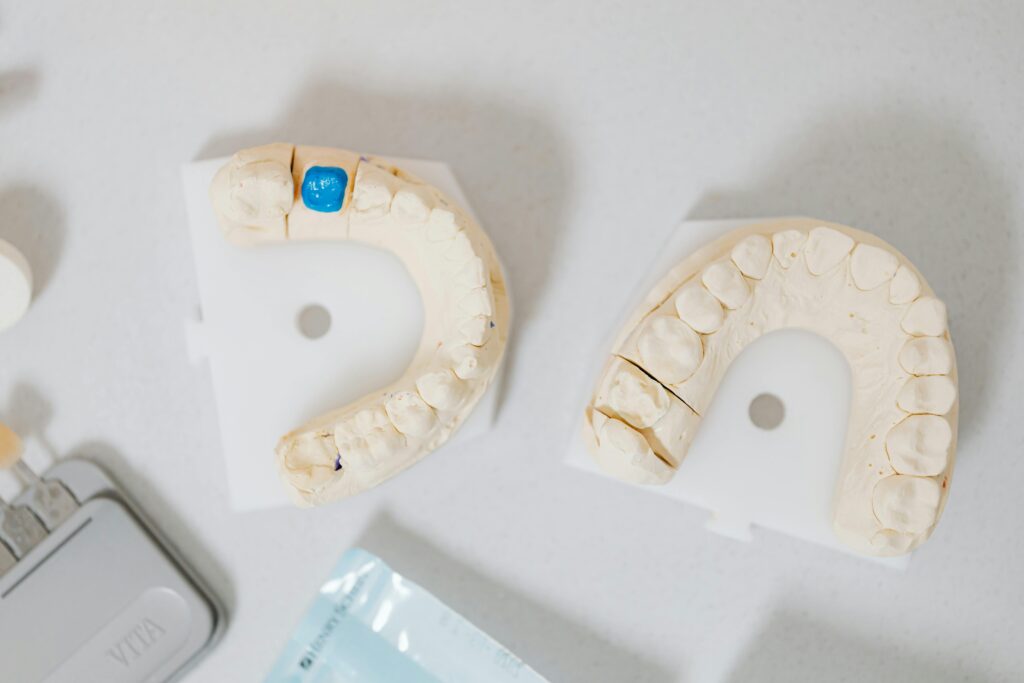
A dental crown is a custom-made cap that covers the visible part of a tooth above the gumline. Once bonded or cemented in place, it takes over much of the job the original enamel used to do. It protects weakened tooth structure, helps you chew without pain or instability, and can reshape a tooth that has been worn down, broken, or heavily filled.
People sometimes confuse crowns with veneers. The difference matters. A veneer covers only the front surface of a tooth and is usually done for cosmetic reasons. A crown wraps around the entire tooth and is generally used when strength is as important as appearance.
That distinction becomes especially important when a tooth has already lost a lot of structure. A small chip on a front tooth might be handled beautifully with bonding or a veneer. A molar with a large old filling, a crack line, and pain when chewing is a different story. In that case, covering the whole tooth may be the most predictable option.
The situations where crowns make the most sense
Dentists do not place crowns because a tooth merely looks imperfect. The strongest case for a crown is a tooth that cannot reliably function with a filling alone.
A common example is a molar that has had several fillings over the years. Each time decay is removed and replaced, a bit more natural structure is lost. Eventually the remaining walls become thin, almost like the shell of an eggshell around the filling. That tooth may feel fine for months, then suddenly a corner breaks off while chewing bread or nuts. When I have seen patients at that point, they often say, "I wish I had done something earlier." That is the moment when a crown often moves from optional to necessary.
Crowns are also frequently used after root canal treatment. Once the pulp is removed, the tooth no longer has a living nerve and blood supply in the same way. The tooth can become more brittle over time, especially posterior teeth that take heavy chewing forces. A root canal can remove pain and infection, but it does not strengthen the tooth. In many back teeth, the crown is the part that gives the treatment long-term staying power.
Cracked teeth are another major reason. Not every crack needs a crown, and not every crack can be saved by one. But when a tooth hurts on release of biting pressure, or shows signs of structural weakness, full coverage may help hold the remaining parts together. Timing matters here. A manageable crack can turn into a split tooth, and a split tooth may need extraction.
There is also the cosmetic side. Severe discoloration, misshapen teeth, or teeth with extensive wear can sometimes be improved with crowns, especially when more conservative options would not be durable enough. The key is not to remove healthy structure just for a modest cosmetic gain when other treatments could achieve the goal.
When a crown may not be the best answer
Crowns solve many problems, but they are not a universal fix. There are times when another treatment is more conservative, less expensive, or more predictable.
If a tooth has only a small area of decay or a modest defect, a filling or inlay may preserve more healthy tooth structure. Good dentistry is not about doing the biggest procedure available. It is about doing enough, and no more than necessary.
A crown can also be the wrong choice if the tooth has a poor long-term outlook for reasons unrelated to the visible damage. For example, if the tooth has advanced gum disease, very little remaining structure below the gumline, or a vertical root fracture, placing a crown on top will not solve the underlying problem. It may even delay a harder but more honest conversation about whether the tooth can realistically be saved.
There are also patients whose symptoms are driven more by bite habits than by the tooth alone. Someone who clenches heavily, chews ice, or grinds at night can break natural teeth, fillings, and crowns alike. In those cases, the crown may still be necessary, but it should not be presented as the whole solution. A night guard, bite adjustment, or habit change may be what protects the investment.
How dentists decide whether a crown is needed
A proper recommendation comes from several pieces of information, not just a glance in the mirror. Dentists look at how much healthy tooth structure remains, where the margins of existing fillings are, whether there are crack lines, how the tooth responds to testing, and what the X-rays show around the root and bone.
The bite matters more than many patients realize. Front teeth usually guide certain movements, while back teeth absorb heavy vertical force. A small premolar in a patient with a strong bite can be under tremendous stress. If that tooth already has a large filling, a crown may be recommended sooner than it would be in a lighter bite.
The location of the tooth influences material choice as well. Front teeth often call for high esthetics. Molars call for strength. A lower molar that never shows in a smile does not need Dental Crowns the same optical finesse as an upper central incisor. A good treatment plan takes all of that into account.
There is also a judgment call based on trend, not just condition on one day. Some teeth are stable and have looked the same for years. Others are deteriorating in steps, a bigger filling last year, a fracture this year, sensitivity now. That pattern often tells an experienced dentist more than a single snapshot.
The trade-off most people should understand
A crown can save a tooth, but it usually requires reshaping that tooth significantly. To make room for the material, the dentist removes some enamel and underlying structure all the way around. That is why no ethical dentist should recommend crowns casually. Once a tooth is prepared, it will always need some form of full-coverage restoration going forward.
This is the central trade-off. You give up some natural tooth to protect what remains. In many cases, that is a smart exchange. In some, it is not.
Patients often hear "protective cap" and imagine a passive shell laid over the tooth. In reality, crown preparation is an active procedure. The dentist is making a carefully measured reduction so the final restoration has the right thickness, shape, and bite. Done well, that creates strength and longevity. Done badly, it can irritate the nerve, create gum issues, or leave the crown poorly fitting.
That is one reason second opinions can be valuable when a treatment plan involves several crowns at once. Not every large filling needs full coverage, and not every worn tooth needs aggressive reconstruction. Context matters.
The main types of crown materials
No crown material is best for every case. The right choice depends on strength needs, appearance, tooth position, grinding habits, and budget.
- Porcelain or ceramic crowns tend to look the most natural, especially on front teeth.
- Zirconia crowns are known for strength and are often used in back teeth or for patients who grind.
- Porcelain-fused-to-metal crowns combine esthetics with a metal substructure, though they are less popular than they once were.
- Gold or other metal alloy crowns remain excellent from a functional standpoint, especially for molars, even if many patients do not want the look.
- Resin-based temporary or lower-cost crowns exist, but they are generally less durable for long-term use.
Material choice is one of those decisions where appearance and longevity do not always point in the same direction. A highly esthetic ceramic on a front tooth may be perfect. The same material on a back molar in a heavy grinder may chip if the case is not planned carefully. On the other hand, a gold crown on a second molar may last exceptionally well, but some patients dislike the idea no matter how little it shows.
Zirconia deserves a special mention because it is now recommended frequently. It can be an excellent option, but the word itself should not be treated like a guarantee. Not all zirconia restorations are the same. Design, thickness, bite forces, and the quality of the lab work still matter.
What the process is usually like
Getting a dental crown typically takes one or two visits, depending on the office technology and the complexity of the case. The tooth is numbed, shaped, and scanned or molded. If the final crown is not made the same day, a temporary crown is placed while a lab fabricates the permanent one.
This temporary phase is more important than many patients expect. A well-made temporary protects the tooth, preserves spacing, and gives the gum tissue a chance to heal in the right contour. A poor temporary can lead to soreness, shifting, or a final crown that feels harder to seat comfortably.
When the permanent crown comes back, the dentist checks the fit, contact with neighboring teeth, bite, and appearance. If all looks right, it is cemented or bonded in place. Some mild sensitivity afterward is normal, especially to cold or pressure, but it should settle. Persistent pain, pain on biting, or a bite that feels "high" should be addressed promptly, because small discrepancies can feel huge in the mouth.
Same-day crowns can be convenient and very accurate in the right hands. They also remove the need for a temporary in some cases. Still, convenience should not overshadow case selection. Complex esthetic work or difficult bites may benefit from a skilled dental laboratory rather than a rushed same-day workflow.
How long crowns last, realistically
Patients naturally want a number. The honest answer is that crowns can last well over a decade, and sometimes much longer, but there is no expiration date stamped on them. I have seen crowns fail early because of decay at the margin, clenching, poor fit, or neglected gum health. I have also seen older crowns functioning after fifteen or twenty years.
Longevity depends less on the concept of a crown than on the details around it. The tooth underneath still needs to stay healthy. If plaque sits at the edge where crown meets tooth, decay can begin there silently. If the bite is off, the crown can loosen, fracture, or stress the tooth underneath. If the gums recede, root surfaces may become exposed and more vulnerable.
One practical way to think about a crown is not as permanent, but as durable. It buys time, often a lot of time, and can preserve a tooth that might otherwise be lost. But it is still part of a chain of maintenance. Crowns need review, just like fillings, implants, and natural teeth do.
Cost, value, and the question patients really ask
Most people do not ask only, "Do I need this?" They also ask, "Is it worth the money?" That is a fair question. Crowns are a significant investment, and insurance coverage is often partial rather than complete.
The value depends on the alternatives. If the realistic alternative is repeated patching of a failing tooth until it breaks badly, then a crown may save money, time, and discomfort over several years. If the tooth is already Dental Crowns omnidentalspecialty.com questionable because of deep cracks, poor bone support, or a guarded root canal prognosis, then spending heavily on a crown deserves more careful thought.
Dentistry is full of timing decisions. Doing a crown too early can be unnecessarily aggressive. Doing it too late can leave too little tooth to save. The best recommendations land in the narrow middle, where treatment is justified by evidence, not fear.
Signs a crown recommendation deserves a closer conversation
Not every recommendation should be accepted without discussion, especially if you are being told multiple teeth need crowns at once and you were not expecting it. That does not mean the treatment plan is wrong. It means you should understand the "why" tooth by tooth.
Ask what problem the crown is meant to solve. Is the tooth cracked, root canal treated, structurally compromised, or mostly cosmetic? Ask whether a filling, onlay, or other restoration could work and what the downside would be. Ask what happens if you wait six months, and whether waiting risks the tooth becoming unrestorable.
Good explanations are usually specific. "This molar has a large existing filling, the back cusp is undermined, and the crack line is causing pain on biting" is a stronger rationale than "it looks weak." If the explanation feels vague, getting a second opinion is reasonable.
Life with a crown after placement
Most people adapt quickly to a new crown. If the contours and bite are correct, it should begin to feel like part of your own dentition within days. What matters after that is not special treatment so much as consistent care.
- Brush carefully at the gumline where plaque tends to collect around the margin.
- Floss daily, pulling the floss through rather than snapping it up if your dentist advises that technique.
- Use a night guard if you clench or grind, especially if you have multiple crowns.
- Return for routine exams so small margin problems are caught early.
- Avoid using your teeth as tools for opening packages, cracking shells, or chewing hard non-food items.
Patients sometimes assume a crowned tooth is now "fixed" and therefore immune to future trouble. It is not. The crown itself cannot decay, but the tooth underneath can. Gum disease can still affect it. The root can still develop issues. The restoration is only as successful as the environment around it.
Special cases that change the decision
There are several situations where crown planning becomes more nuanced. One is the young patient with a very large filling but a relatively large pulp chamber. In younger teeth, aggressive preparation can increase the chance of irritating the nerve. Dentists may lean toward conservative options longer if those options are still structurally sound.
Another is the older adult with heavy wear across many teeth. A crown on one tooth may not solve the whole problem if the real issue is a collapsing bite or long-term grinding. Sometimes isolated crowns are appropriate. Sometimes a more comprehensive plan is safer and more stable.
Then there is the front tooth with old trauma. These cases can look straightforward from the outside but behave unpredictably. Color matching matters more, translucency matters more, and underlying tooth shade can show through. An excellent front crown is not just a strong restoration. It is a careful esthetic piece that has to live in the center of your smile.
Patients with dry mouth also need extra caution. Reduced saliva, whether from medications, autoimmune conditions, or cancer treatment, raises the risk of decay at crown margins. A technically good crown in a dry mouth can still fail if preventive care is not part of the plan.
So, are dental crowns right for you?
They may be, if your tooth is weakened enough that a filling would be unreliable, if you need to protect a root canal treated tooth, if a crack threatens the tooth’s future, or if appearance and structure both need significant correction. They may not be, if a more conservative treatment would do the job just as well, or if the tooth has deeper problems that a crown cannot solve.
The best crown decisions are not based on fear, sales pressure, or a desire to make every tooth look perfect on paper. They are based on preserving function, reducing the risk of fracture, and choosing the least invasive treatment that still has a strong chance of lasting.
If you are unsure, ask for the reasoning in plain language. Ask to see the X-ray. Ask what the alternatives are and what the likely timeline looks like with each one. A sound recommendation usually stands up well to careful questions.
Dental crowns are neither a cosmetic luxury nor an automatic answer. They are a tool, and like any good tool, they work best when used for the right job, at the right time, with a clear understanding of what they can and cannot do.
Omni Dental Specialty
1690 E Gonzales Rd, Oxnard, CA 93036, United States
+1 805-410-9603
FAQ About Dental Crowns
How long do crowns last on teeth?
A dental crown often lasts about five to fifteen years, although some last longer. Material, the underlying tooth, oral hygiene and grinding habits affect longevity. Regular dental examinations help identify wear, decay or a loose crown; no lifespan is guaranteed.
How much does a tooth crown cost?
There is no single price for every crown. Material, laboratory work, the condition of the tooth and any additional treatment affect the fee. Ask for a written estimate and confirm your insurance benefits, exclusions and out-of-pocket costs before treatment.
What is the downside of crowns on teeth?
A conventional crown usually requires irreversible removal of some tooth structure. Possible problems include sensitivity, chipping, loosening and decay at the crown margin; some teeth later need root canal treatment. Discuss your tooth's condition, material choices and suitable alternatives with your dentist.